
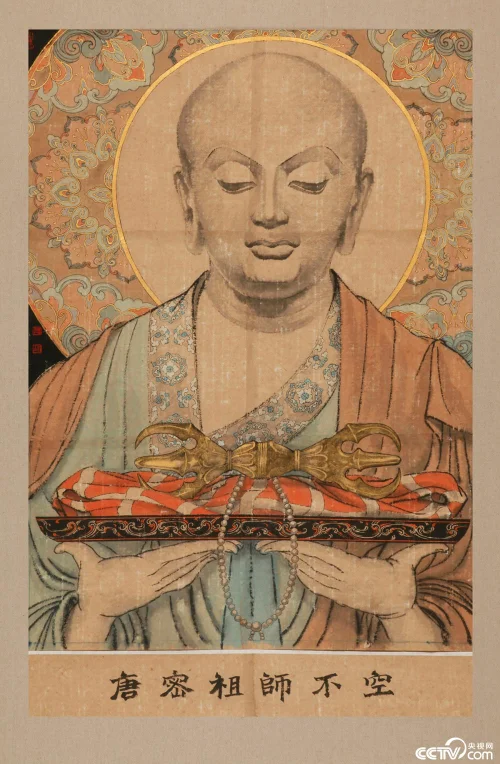


I. Planning Ideas
(1) Research on Buddhist Art Forms and Styles
- Sculpture: Study the forms, styles, and techniques of Buddhist sculptures from different regions and periods, such as stone carvings, bronze statues, and clay sculptures. Analyze the artistic characteristics and cultural connotations of these sculptures and their evolution in Buddhist art history.
- Painting: Research Buddhist paintings, including frescoes, silk paintings, and thangkas. Explore the styles, themes, and painting techniques of different regions and periods. Study the artistic expression and cultural exchange reflected in Buddhist paintings.
- Architecture: Investigate Buddhist architectural styles, such as temples, pagodas, and grottoes. Analyze the layout, structural features, and decorative elements of these buildings, exploring their religious functions and artistic value.
- Decorative Arts: Study Buddhist decorative arts, such as-pattern design, embroidery, and lacquerware. Explore the decorative techniques and artistic styles of these crafts and their role in Buddhist culture.
(2) Research on Buddhist Art Iconography and Symbolism
- Iconography: Analyze the forms, gestures, and attributes of Buddhist deities and figures in art works. Study the religious meanings and stories behind these iconographic elements and their role in conveying Buddhist doctrines.
- Symbolism: Explore the rich symbolism in Buddhist art, such as lotus flowers, wheel of Dharma, and auspicious symbols. Analyze how these symbols convey Buddhist concepts and values and their significance in Buddhist art.
(3) Research on Buddhist Art History and Regional Characteristics
- Historical Development: Trace the origins, development, and evolution of Buddhist art. Study the characteristics of Buddhist art in different historical periods and regions, such as ancient India, Central Asia, and East Asia. Analyze the reasons for its dissemination and development.
- Regional Features: Research the unique styles and characteristics of Buddhist art in different regions, such as the differences between Han Chinese, Tibetan, and Southeast Asian Buddhist art. Explore the cultural background and exchange behind these regional features.
(4) Research on Buddhist Art and Cultural Exchange
- Cultural Exchange: Study the role of Buddhist art as a medium of cultural exchange between different regions and cultures. Explore how Buddhist art disseminated Buddhist culture and promoted cultural integration.
- Influences: Analyze the mutual influences between Buddhist art and other cultures. Study how Buddhist art has influenced and been influenced by other cultures in terms of artistic styles and themes.
(5) Research on Buddhist Art Preservation and Restoration
- Preservation Techniques: Study scientific methods and techniques for preserving Buddhist art works, such as environmental control, anti – corrosion, and structural reinforcement. Develop effective preservation plans to ensure the long – term preservation of Buddhist art.
- Restoration Principles: Follow the principles of minimum intervention and reversibility in restoration. Restore damaged Buddhist art works to bring them back to their original state as much as possible while preserving their historical and artistic value.


II. Introduction to Buddhist Art Research
(1) Research Objectives
Buddhist art research aims to systematically study the history, forms, techniques, and cultural connotations of Buddhist art. By exploring the artistic value and cultural significance of Buddhist art, this research seeks to promote the preservation, inheritance, and development of Buddhist art and enhance the understanding and appreciation of Buddhist culture.
(2) Research Content
- Art Forms and Styles: Study various forms and styles of Buddhist art to understand its artistic characteristics and cultural connotations.
- Iconography and Symbolism: Analyze the iconography and symbolism of Buddhist art to explore its religious meanings and cultural background.
- Historical Development and Regional Features: Trace the historical development of Buddhist art and study its regional characteristics and cultural exchange.
- Cultural Exchange and Influences: Explore the role of Buddhist art in cultural exchange and its mutual influences with other cultures.
- Preservation and Restoration: Research on the preservation and restoration of Buddhist art to ensure its long – term preservation.
(3) Research Methods
- Historical Literature Research: Systematically collect and analyze historical literature related to Buddhist art to understand its historical development and cultural background.
- Stylistic Analysis: Classify and analyze Buddhist art works by style and technique to explore their artistic characteristics and evolution.
- Iconographic Analysis: Analyze the iconography and symbolism of Buddhist art works to explore their religious meanings and cultural connotations.
- Field Research: Conduct field surveys of Buddhist art relics and sites to collect firsthand data on their current state and historical background.
- Interdisciplinary Research: Combine methods from art history, religious studies, cultural studies, and other disciplines for comprehensive research.
(4) Expected Outcomes
Cultural Exchange and Cooperation: Strengthen international academic exchange and collaboration in the field of Buddhist art to promote the global dissemination and development of Buddhist art.
Academic Contributions: Publish academic papers, books, and reports on Buddhist art research to enhance the understanding of Buddhist art.
Cultural Preservation: Provide theoretical support and technical guidance for the preservation and restoration of Buddhist art works.
Art Exhibition and Education: Organize Buddhist art exhibitions and educational activities to promote the public’s understanding and appreciation of Buddhist art.